How to Improve Public Speaking: What the Stage Teaches That Textbooks Never Will
I just rolled back home after a five-hour drive from Edmonton, and my brain is still buzzing from this weekend.
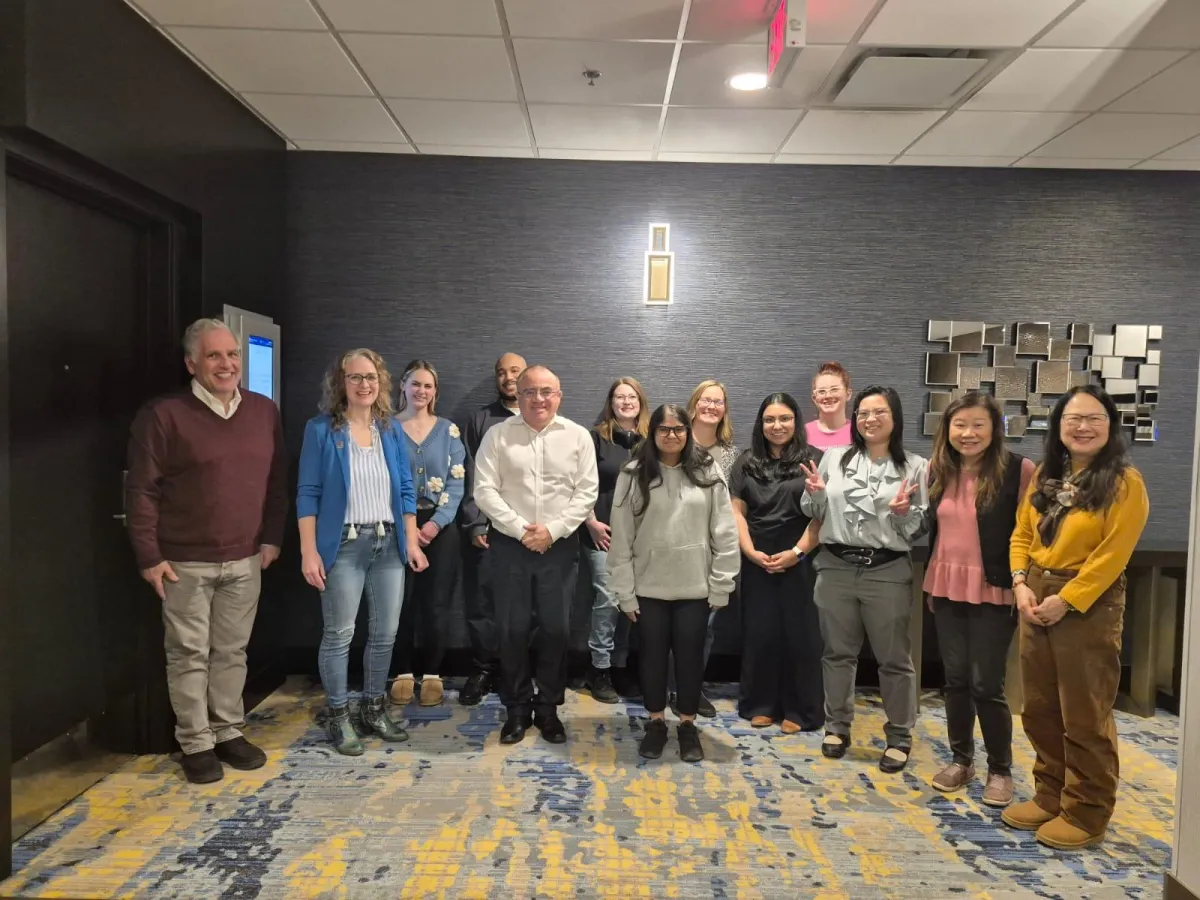
For the past five years, Omar Nef and I have had the privilege of coaching the Athabasca University Business Case Competition teams - with three wins in there!
If you've never heard of a business case competition, here's the short version:
Students are handed a real-world business problem with only hours to analyze it. Then they present their solution to a panel of industry judges who've truly seen it all.
It's intense. It's exhilarating. And it teaches skills no textbook ever could.
These competitions simulate what consultants actually do. Students take theory and apply it to messy, complicated challenges—the kind without clean answers. Then they have to stand up and convince a room full of skeptics that their thinking makes sense in 12 minutes.
This year's team competes in March 2026, and this weekend was all about one thing:
Structure.
What We Focused On This Weekend
We did a short intro session back in February. But this weekend, we went deep.
Opening. Body. Closing.
That's it.
The foundation of every speech, every presentation, every pitch you will ever give.
Two minutes or two hours—the structure doesn't change.
And this is what I kept reinforcing:
Structure isn't restrictive. It's liberating.
When you know where you're going, you can adapt. You can improvise. You can respond to the room without losing your message.
Most people think confidence comes from memorizing more content.
It doesn't.
It comes from knowing where you are in the message.
Why We Spent Most of the Time Speaking (Not Studying)
You can't teach confidence through theory.
So instead of lecturing, we spent most of our three hours doing round after round of impromptu speaking.
In Toastmasters, this is called Table Topics.
The students never knew:
what question was coming
who was getting called
or where they'd have to present from
The questions were things like:
"Sell us on why pink is the best colour." "What's your take on immigration in Canada?" "Why do women wear leopard print?"
Random. Unexpected. Sometimes ridiculous.
And that was exactly the point.
There was laughter. There were thoughtful moments. There were nerves turning into relief.
Some students surprised themselves with what came out of their own mouths.
And that emotional shift?
That's when learning sticks.
Even Tony Robbins designs experiences this way—because when emotion is involved, the body locks in what the brain alone can't.
What Shifted By Sunday
By the end of the weekend, something had changed.
They weren't just reciting ideas anymore.
They were communicating.
That's the magic of the stage.
It forces clarity. It rewards authenticity. And it teaches you something powerful:
The best presentations are not about perfection. They're about connection.
And whether you're leading a meeting, pitching a client, facilitating a workshop, or growing a business—your ability to think clearly and communicate under pressure will always be one of your greatest assets.
What I'm Being Reminded Of
You don't rise to the level of your information.
You rise to the level of your communication.
And communication is not built by consuming more.
It's built by standing up. Speaking out. And learning to trust yourself in the moment.
That's the work I keep coming back to—with students, with business owners, and the organizations I work with.
Helping people find structure, confidence, and a voice they can rely on.
Until next week, Penny
PS. We'd love to have you visit our next Think Bigger Friday Global Networking weekly online event (free). This week's topic: Secrets to Finding The Gold on LinkedIn with our guest speaker Gary Ryan.
Gary is a 10X Performance Coach, working with business owners and senior leaders to drive execution, scale performance, and build disciplined growth systems. Since May 2024, he has coached Grant Cardone's clients helping them increase revenue, strengthen leadership capability, and turn strategy into measurable commercial outcomes.
Register here or join our Facebook group.


